

Daughter of the Night – Mirjana M.
Garden, in the house – Ashling Meehan-Fanning
The Missing Face – Huina Zheng
Appalachia – Kaiser Kelly
Building Walls – Rachel Turney
August – Tabitha Dial
The Mother’s Song – Margaret Limone
Inheritance – Ashling Meehan-Fanning
the art and science of creating, displaying, and recording – Cierra Morrison
they would be so proud – Justice Boisvert Lust
Sweet Latte – Joanne Macias
Grandmother, in the Garden – Ashling Meehan-Fanning
Pomp and Circumstance – Cierra Morrison
Olathe Sweet – Tabitha Dial
The Palimpsest Crest – Raymond Brunell
Grandfather, in the Garden – Ashling Meehan-Fanning
Fontana della Nonna – Luck Zytowski
Daughter of the Night

Garden, in the House
When my grandmother died her garden took her house. It was a slow, quiet theft; her blue stucco house at the end of the lane, the neighbors did not notice its slow descent into the dirt. The
hyacinths overtook the window panes, the blue bells swallowed the garden post. A deity of disappearing things had enticed the roses to take back the plaster and stone, to pull it wholly
into the earth’s grave. When my mother and I arrived, we dug our way through the dirt, the bits of bone and the broken teapots to the old house. The front door would not allow us
entrance until we solved its riddle. We cheated and broke through the bedroom window. Moss carpeted the floor, plant roots draped from the ceiling, spiderwebbed with red thread
and dust motes, cluttered with objects from the house: miniature clocks that ticked out of time, torn photographs and recipe pages, a pair of pearl earrings and an old diary.
Rabbits nested in the cupboard under the stairs. A fallow doe calmly ate the grass that had encompassed the old pink sofa. As it always had, wallpaper peeled from the walls, a steady
victim of rain and damp. Honey bees drifted lazily down the hall, like a line of school children off a yellow bus. They led us to her, to her kitchen where the tiles had cracked and
roots burst forth, dragging my grandfather’s bones up from the garden. My grandmother lay calmly dead on the kitchen table, her hand stretched towards what
remained of his. I took the pictures off the wall, the brooch from my grandmother’s jacket. The room was dark and earthbound, tomb-like with soil pressed against the windows.
My mother used a broom handle to collapse the bowed ceiling, burying her parents inside. We left the way we came. Swam back through the dirt and rock, the animal ghosts and
leaf rot. We stood together in the street looking at the land the garden had taken back. The sun set behind the alder trees and I asked my mother if she’d found her closure.
The Missing Face
By Huina Zheng
Ever since I opened a “Shadow Repair Shop” in town, old photographs have streamed in. Most need simple fixes: water stains, fading, missing corners. Yet each time I examine them, it feels like searching for clues at a crime scene. Old albums carry the scent of time, where regret mingles with joy and youth yields to resignation.
With a fine brush, I fill in the missing curve of a smile; with a scalpel-like blade, I scrape away stubborn mold.
In a 1990 wedding photo, everyone’s eyes face the camera, except the bridesmaid, whose head tilts slightly toward the groom, her gaze thick as drawn sugar. In a 1986 family portrait, a father’s hand clamps his son’s shoulder; the boy’s mouth is tight, as if enduring a silent reprimand. In a 2001 couple’s photo, the husband grips his wife’s waist until his knuckles whiten, while her toes point outward, ready to step away.
The more I restore, the more sharply those emotions, faded by time yet never erased, emerge.
One day, a wind chime tinkled as an elderly woman, leaning on a cane, entered. From her pocket she drew out a yellowed photograph, her fingers trembling. “Can you fix it?” she asked. “This is the only picture I have with my daughter.”
I took the photo. In front of a mud-brick house, a young woman sits on a low stool, a little girl in her arms. The girl wears a frayed long-sleeved shirt; the woman is wrapped in a high-necked sweater, its collar tight at her throat. Slanting sunlight stiffens her shoulders.
“Your daughter…” I stopped. A strange sense of familiarity. I lifted one corner of the photo with tweezers to inspect it.
The old woman’s fingers twisted together. “She would be…thirty-eight this year.”
Through a magnifying glass, I spot a shadow along her cheek and neck. Not dirt, but a bruise, swelling purple.
“This photo…” the old woman began, “was taken when my daughter was three.” She coughed. “That year, I was twenty, and my uncle… sold me to this village.”
My hand froze. In the mirror, my reflection overlapped the image. A dark mole beside the girl’s nose, like a drop of dried ink, matched mine exactly.
There’s a similar photo at home, but ruined. Grandma said my mother was “an unlucky woman” who fell into a well and died. She cut my mother’s upper body from the picture, leaving only half a hand on my shoulder.
I looked up at the old woman. Her clouded eyes stayed fixed on my restoration tools. In her wrinkles lay a kind of expectant fear. Her lips trembled, but she said nothing.
I wanted to ask: Do you recognize me? But instead I said, “This photo… I’ll fix it for you.”
Appalachia
By Kaiser Kelly
Theres a certain silence
that I only hear
standing in the grasses of my youth
I talk with an accent that I
hide from even my mother
for I fear when she hears it she won’t
recognize my voice
Building Walls
I built walls around myself
to protect me from my heritage.
I didn’t want the rot to come.
I rejected decay.
In long silences of the night
I closed my eyes to the ghosts.
I could feel the pull of the
desire bred into me
to accept the addiction
to fall down into
the deepness
from which they
have not escaped.
But I won’t be like them.
I cut out my heritage.
August
By Tabitha Dial
I will spend half the month counting the cottontails and the gophers
on our evening walks together.
I will spend half the month in Colorado, where snow-capped souls
overlooked my mother, her mother, and her mother, as each mothering
avalanched another generation.
I will spend a quarter of the month writing to you from a distance.
When I say your name the dragonflies and blackbirds hold still–
the air forgets its chatter.
I will spend the whole month in each hour as if it is an omen,
a fresh pinecone, one half of the smallest shell.
Each day is a sliding glass door where the world passes by,
muted and colorful, the horizon renewing some 29 strides beyond.
No one wrote my name in honey-covered petitions at their altars.
It is our decision. I am here to stay with you.
The Mother’s Song
The Mother leans over the cradle, barren and white save for the swaddled bundle of pink. The Child had begun to fuss, waking the Mother through the safe sleep sensor from where she lay sprawled and snoring on the couch across the apartment, and now she is here, her slender hand stroking one plump cheek, smoothing the dark wisps of hair. She lifts the child, raises him to her shoulder and rocks, hushing and shushing, bouncing on her tired legs. She presses her own cheek to his cradled capped head. The nursery, decorated with prints of ducklings and kittens, all pinks and yellows and blues, with a pile of stuffed animals, a soothing white noise machine, an electric infant swing, a sleek changing table, and an ergonomic cushioned rocking chair, is small compared to the rest of the place, but by no means cramped. The Mother crosses to the opposing wall in just two steps, gracefully snatching the breastfeeding pillow with her free hand.
She lowers herself onto the hard wooden rocking chair, built by her father’s hands when her own mother first grew heavy with child, softened by a pillow lovingly sewn by her sister-in-law. This, she thinks, is the greatest luxury in their little one room cabin. It’s positioned near the hearth, with a stool her husband placed nearby so she may raise her bare feet as she nurses. The flames never seem to tire, though so much is expected of them. They warm her and the Child as she rocks, they bring the water to boil for the tea, and nearby the heat of their coals in the beehive oven bake the day’s bread. The Mother sighs and unbuttons her dress, pulling a breast out with one hand. She kisses the Child’s head before drawing him close to nurse.
After a few minutes more of rocking, the Mother decides the Child will not calm by comfort alone and rises, babe still cradled in her arms, to find the wet nurse. She slips her delicate white feet into slippers and crosses the gilded room, dressing robe fluttering behind her. In the anteroom, a maid is bringing in a silver tray of sweet meats and tea, and the Mother asks her to fetch the nurse. The maid nods and departs, leaving the Mother and Child alone once more. She looks down at the squirming infant’s tender face and smiles. Such a sweet thing. Her eyes flick to the painting on the anteroom wall, a Madonna and Child imported from Florence, and she compares the two cherubic faces. It is sacrilege, but she cannot help but feel that her own babe must be sweeter, more tender, more mild, than any that has lived before, be they the child of God or not. She hears the wet nurse’s limping footsteps down the hall.
At last the Wise Woman arrives, looking grave and concerned, blustering into the damp and darkened hut with a sack of herbs. She speaks nothing to the Father, nor to the Mother’s sisters, who all know instinctively to leave the crowded space, to leave the Woman to her work. The Mother’s pale and sweating face seems to shine in the darkness, and the Wise Woman presses a rag to her forehead. Then she looks down at the Child, clutched possessively to the Mother’s chest, wrapped in a darkly stained cloth. He will live, the Woman assures the Mother. Make no mistake of it, he will live. Then the Mother laughs, though the movement tears through her body with ripping pain, because her sudden joy cannot be contained.
She laughs again as her nieces place yet another flower upon the Child’s sleeping head. She knows not where they are finding them, here in this desert, but they are. They run alongside the wagons, through the clouds of dust, exhausting their child’s legs, all to collect flowers for her boy. They don’t realize the enormity of their actions in the Mother’s hearts. On this long and endless road, amid death and hunger and sickness and violence, they have found flowers to welcome this new soul to the world. She thinks she will remember this moment all her life.
The others in the tenement room groan as the Child squalls anew. The air is thick and sour, with sweat, with sickness, with excrement. How they think an infant could stand it without protest is beyond the Mother’s comprehension. She wants to be cross with them, for their impatience and anger, but she cannot find it in herself. All that there is is the Child’s face beneath her own. She rocks him as best she can, in that cramped space, and wonders if her milk will come in today. Her mother assures her it will, it’s just the hunger that delays it, and both her mother and husband have foregone their own share of food so hers might have more sustenance. Today the milk will come, she tells herself as well as the Child, nothing to worry about. She begins to whisper softly a song to him, a milk song, a song of fullness.
She sings him a song about the passion that brought him here, the courtly devotion of his father. How once she was a girl, beautiful and quick-footed, and she was adored. And from that adoration, from tenderness, he sprang, and now love has expanded.
She sings him a song of flowers and sunshine and an end of the Long Winter. Soon, she promises, they will be warm.
She sings to him about the wars of the past, of the brave men he is descended from, of the nobility of his people.
She sings to him of freedom.
She sings of her love for him, how it is endless, how that love will live forever and ever.
Even when he has a child of his own, even when she is old and withered, when she lays dying in her wooden bed, on a blanket on the floor, in the hospital hooked up to wires and blinking lights, even when she has died and has reached Heaven and Duat and Aruanda and Hades and the Great Nothing and she reemerges as the Child herself, even when the both of them have been lost to Earth’s memory, that Love will exist.
She sings to the Child the Mother’s Song which all Mothers sing and have always sung.
the art and science of creating, displaying, and recording
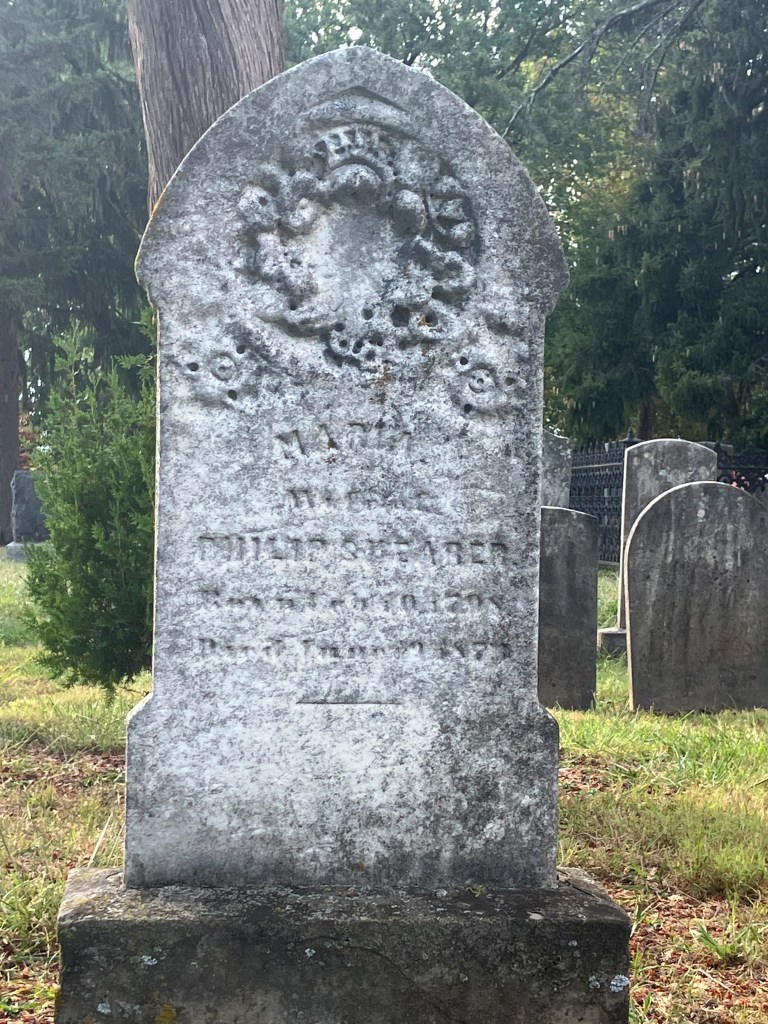
Inheritance
her hands
are spidery
powder blue
she holds them
out to me
haunts my bedside
night after night
my grandmother
thorny heart
bloodless
in her pale
and cold hands
she was hardened
in life but I
promised her
gentleness
in death
I take from her
the still heart
nestle it inside
the home of my chest
where it is safe
I kiss her temple
try not to make
it feel like
a violence
and ask her
to rest
they would be so proud
let me feel the heartbeat
of all my ancestors before me
while they lead me through life,
and show me how to live
as unapologetically as possible.
let them allow me to be
everything they weren’t able to show
while i honour them
by being everything i can be;
everything i want to be.
i’ll be the healer
when before they were stripped of that honour
and i’ll allow them to watch in pride
while i show them
everything that is now possible.
i’ll make them all proud
by simply showcasing myself
in ways they could only dream
would one day be possible again.
Sweet Latte
Old habits die hard. You didn’t always remember how or when they started, but now there wasn’t a day that passed without you doing it. These became a simple comfort. Just like a comforting hug. Some days, these comforts were the only ‘hugs’ we had left.
The kettle boiled. One, two, three, four… sugar had now covered the base of the cup. Next, a spoon of coffee and then a dash of milk. Then we had to pour the water and stir. I collected the toasted Pane di Casa, dipped it into the sweet coffee, repeating the process again and again. I felt like I was in autopilot, having made this many times before. There was a system, a process in which you made it, so it was all ready at the same time. There were times that I craved this sweet, delicious breakfast, and then there were the other times; consumed just because I craved a bit more time with my cheeky Nonno. This was originally Nonno’s drink. His morning tea on the construction site. Every day, he would have the sweetened coffee in his thermos and a separate container with some crusty bread, all ready for morning tea. At around 9:00am, he would pour the sweetened café latte into the thermos lid, then dipped the crusty bread, softening it, ensuring it remained in one piece. It also was his breakfast of choice after retirement. He would have this every morning without fail, until one day he decided that he would change his breakfast, now to have the same as his beloved wife.
I remember when I was younger, Mum would always take my brother and I over to Nonna and Nonno’s so they could babysit us whilst she and Dad were at work. It never took long until I became his cute little shadow. I was always following him around, watching his television shows with him, and loving when he encouraged me to cause mischief with him. My sweet tooth was the same as his, knowing the things he enjoyed would be deliciously sweet. He would always sneakily grab some chocolate or lollies and get me some as well. Thinking back, I realised it was more that I went for the lollies and then tried to sneak an extra one or two for him. That was unless he put his cupped hands out, whilst giving Nonna his puppy dog eyes as she gave us sweets, almost begging for a sweet treat of his own.
“Oh Beppi! You are such a big kid!” Nonna would say each time, reluctantly giving him some sweets, shaking her head whilst trying to hide her smile.
There was one morning in particular. I was sitting at the breakfast bar, watching everything happen with precision for breakfast. Nonno was going to sit at the ‘head’, and my stool next to him on the side. Michael wanted to sit at the dining table instead, playing with the remote, flicking back and forth between television stations, hoping to find something good. Nonno however was in the kitchen, focused on breakfast. He had a system when he made his coffee breakfast. You only toast a few pieces of bread at a time. Firstly, that meant that there would be no leftovers, and secondly, the toast would always be hot when he got to it. Just like a game, I would always steal remnants of his sweetened coffee whilst he got more bread. As soon as he got to the pantry to put more Pane di Casa in the toaster, I would jump up out of my seat, excited to steal his place. I would quietly try to take the seat without anyone noticing, hoping there would not be the telltale squeak once you had pulled the chair out and it inevitably dragged against the glossy tiled floors. Sitting, I would then wrap my hands around the retro soup cup used for his coffee and have a big gulp. Sometimes, the gulp turned into two gulps. That also meant that his bread calculation would be off. He never got upset with me when I did this though – he just made more coffee and refilled his cup. I now realised that he knew I was there; purposely delaying coming back, letting me think I got away with it. You could sense the joy that copying him brought. The coffee could be replaced, but the time with me giggling, trying to cause my own mischief could not.
Now, all I have was the sweet remnants of memories, wishing I could sneak into his seat one more time.
Grandmother, in the Garden
The garden was a secret.
First planted by my grandmother’s mother,
hidden in the copse of trees gathered
along the River Moy. She buried seeds
of comfrey and burdock, prayed
in the foggy moonlight,
made promises to the dirt.
My grandmother was born in the garden.
A wool blanket in a crib made of elm.
In woodlight the ghosts watched her play,
small hands in rough soil, pulling dock leaves
from stem. She gathered water and studied
her mother boiling the stems, applying
poultice to her father’s pink hands.
Years later, heartbroken,
grandmother wandered the field,
laid in the old garden, and spoke to the dirt:
“Keep me,” she begged,
“Keep me until I am whole again.”
Curling weeds and unkempt vines heeded her,
stretching, embracing, encasing. The garden
pulled her down into its porous soil, wrapped
her in detritus. The elm roots gave her breath,
the animal bone food. The garden crafted her
a darkling thing, sharpened her bones, curled
her humor, made a pond of the ocean in her heart.
Pomp and Circumstance
By Cierra Morrison
I’ve made your curses scripture and inked them into my skin.
They force my bones to sift themselves into a nothing
that will later be scattered like petals
grinded into paste and kept till powder.
A half moon bitten out of my arm and left bleeding
as recompense – and what remains is growing a malignant
cottage cheese-esque growth.
But I ignore it
I’m far too busy staring at myself
in a gas station bathroom mirror.
Watching the etchings I made curl over and into my mouth
And I’m forcing myself to say:
“I’m not uniquely terrible. I am literally just someone
in a gas station bathroom, talking to themself.”
Dusty bones clink my teeth into inedible ink.
(I have been lying to myself since the beginning.)
Olathe Sweet
By Tabitha Dial
On our Western Slope, we do not dream to call the cardinal directions because they
sleep within us: close as the Grand Mesa, tucked away at the Four Corners.
You must remember your barriers.
Remember us when you change to a different guard.
Grab the pearls
around your great-grandmother’s neck.
Once you leave our house, we can never
stop you from crossing alligator thresholds.
Check twice for your own jar
of dirt collected from the Grand Valley
if you only want to return by choice.
These are the parameters. Work close
with the music box
we planted in your chest.
The Palimpsest Crest
The candle’s flame flickered, casting restless shadows over the family bible’s worn pages. Dr. Elara Cormac leaned in, tracing the heraldic crests—gold and vermilion inks that shimmered like distant echoes. These symbols had always felt like a story told by someone else, a history she’d inherited but never quite owned. A vague ache stirred deep inside—a memory of questions left unasked, of silence stretching across generations.
Beneath the ornate designs, faint scripts flickered—ghostly traces of Yiddish, almost invisible. Elara’s pulse quickened. She’d studied the language, but never imagined it hiding in her family’s treasured heirloom. This discovery stirred something fragile and urgent—a chance to reclaim a past tangled with silence and loss.
As she translated, the pages whispered stories of name changes and forced escapes, families uprooted by bitter smoke and shattered homes. The crests, once proud badges of lineage, now felt like a carefully crafted mask—a palimpsest hiding painful truths.
Driven to honor these hidden tales, Elara took silk and thread, weaving the crest anew in silver and crimson. Each stitch pulsed beneath her fingers, threads humming with electric life. Reality blurred. Flickers of vision swept through her senses: the acrid sting of burning wood, the whispered rustle of a shawl as a girl pressed her lips to a new name, the cold weight of a menorah’s metal in trembling hands.
With each thread, Elara felt the layers of her own identity shift—fragmented histories knitting together, reshaping the story she told herself. The embroidery grew vivid, almost alive, the fabric breathing with forgotten rituals and hushed languages. The line between past and present wavered, fragile and uncertain.
When the final stitch settled, the crest glowed softly, a heartbeat woven into silk. Elara’s hand trembled as she touched it, a surge of warmth and sorrow flooding her — a connection not just to her ancestors, but to the stories they had never spoken aloud.
Beneath that glow, a deeper truth shimmered like a fractured mirror: identity was never fixed, never whole. The palimpsest was a mosaic of loss and survival, a story still unfolding in shadows and whispers.
As the candle guttered and died, swallowing the room in darkness, Elara held the silk close. The faint scent of old parchment and melted wax lingered—a delicate reminder of stories yet to be told, threads yet to be unraveled.
And in that quiet mystery, she found an unexpected peace.
Grandfather, in the Garden
1.
After we cleaned the bloodstains
off the kitchen floor,
I turned to her and asked where
the body was. In the garden,
she replied with narrow eyes, the dirt
will take care of him. I followed
grandmother through her small, neat
living room, the carpet wet,
the moss outside, bleeding.
The alders surrounding us bent
inward, a shield of bark against the
small noises of the village, broken
only by crows, crows – screaming.
She’d laid him in a garden bed
cushioned by thorns and brambles.
Dirt covered him like a blanket
and for a moment I thought he was alive,
only sleeping. But the gaping holes in his mind
where the memories of his children lived
oozed into the dirt below him, and from
his puss grew small green ferns
and yellow wildflowers.
Brown slugs sucked his fingertips;
a badger stole his bow tie.
2.
America had gnawed at his insides
had spat out his bones.
A tawdry fox had crowded up his mind,
taken up space within the folds of his brain
where memories should have been.
He gave my mother flower seeds, told her they
were magic. She carried them around
in her pockets and heart parts
until he died and her daughter was born.
3.
Sometimes,
the thought of her heartbreak leaves me breathless –
leaves me gouged open like tulip petals in hot April sun.
4.
My grandmother’s garden is a sight to behold.
The village whispers about her flowers virility,
an astonishment of colors and enthralling perfume.
Flesh-pink hyacinth, hydrangeas petals the size of eyes,
yellow roses with thorns thick like fingers, blue-bells that
sing out at night. The roots grow long beneath the house,
wrap around the cold body encased in the soil below,
his ribs, the root system, the liquid from his liver, the fertilizer.
Fontana della Nonna

 Skeleton Flowers Press